October 19, 2026
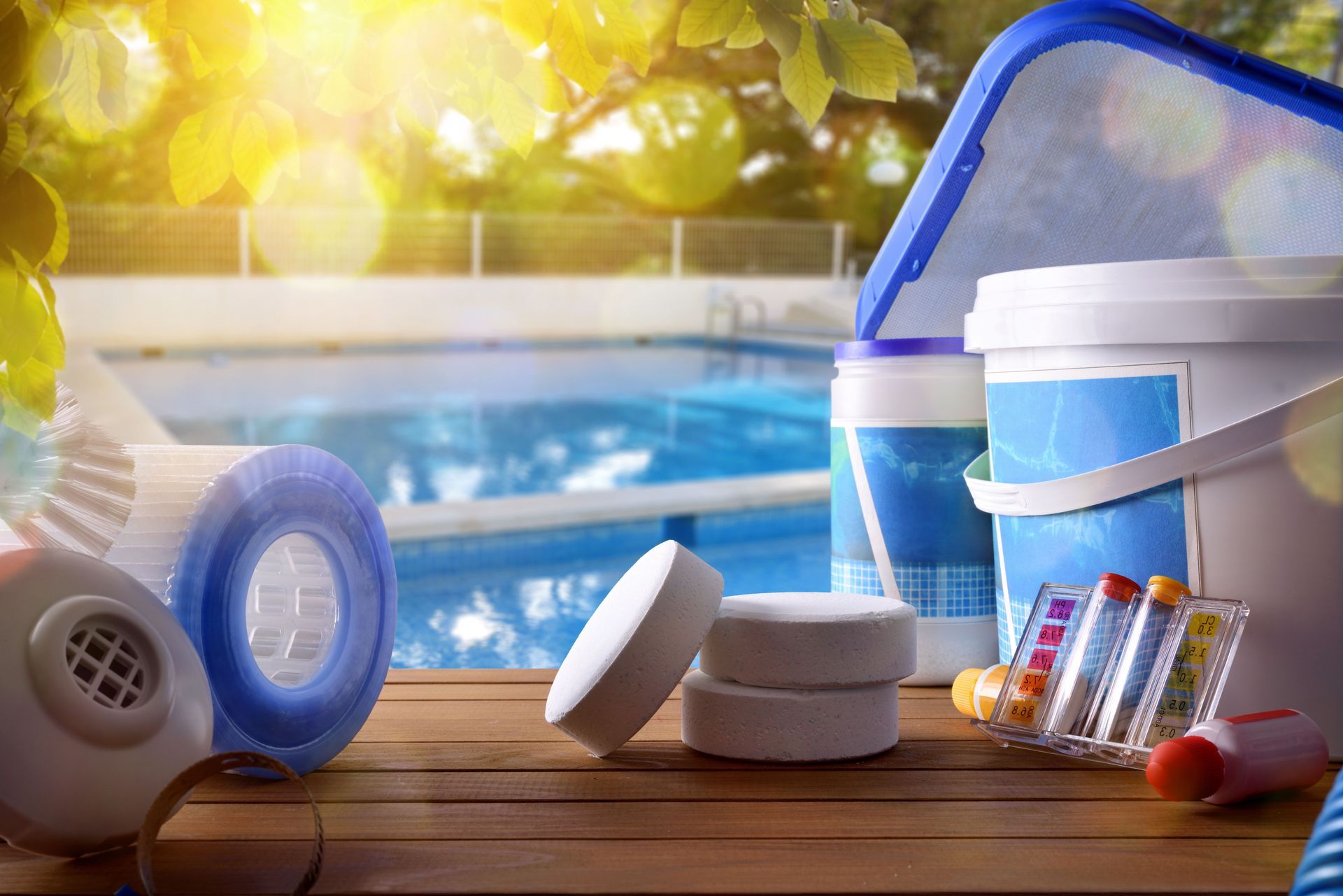
Owning a swimming pool brings endless opportunities for relaxation, physical exercise, and outdoor fun with family and friends. Behind every sparkling, inviting body of water lies a careful balance of chemical treatments designed to keep swimming conditions sanitary and clear. While these products are essential for eliminating bacteria and preventing algae growth, improper storage or application can quickly turn a backyard oasis into a hazardous environment. Learning how to properly identify, store, and manage these substances helps prevent unwanted chemical reactions and keeps every swim session safe. Understanding how to handle pool chemicals responsibly is fundamental to protecting household members, guests, and the pool equipment itself.
Maintaining proper water chemistry requires consistent attention, precise measurements, and strict adherence to safety protocols. Whether administering routine sanitizers or balancing pH levels, taking basic precautions ensures that pool ownership remains enjoyable and stress-free. By establishing safe routines, recognizing proper storage conditions, and following standard chemical application techniques, property owners can safeguard their homes against avoidable accidents while maintaining pristine water quality throughout every season.
Storing Pool Chemicals Safely to Prevent Hazardous Incidents
Selecting an Ideal Storage Location
The physical environment where pool supplies are kept plays a critical role in maintaining chemical integrity and preventing accidental exposure. All sanitizers, balancers, and shocking agents must be stored in a cool, dry, and well-ventilated space shielded from direct sunlight and extreme temperatures. Outdoor sheds, dedicated storage lockers, or well-ventilated utility rooms often serve as appropriate areas. Keeping containers elevated off concrete floors prevents moisture from seeping into dry products, which can cause chemical breakdown or unintended reactions. Additionally, storage areas must be securely locked to restrict access by children and pets.
Separating Incompatible Chemical Products
Mixing different types of water treatments is one of the most common causes of chemical reactions in residential settings. Chlorine products and acid formulations must never be stored side-by-side or stacked on top of one another. When combined, chlorinating agents and acids generate toxic chlorine gas rapidly. Liquids should always be placed on lower shelves beneath dry, granular products to ensure that an accidental spill or leak does not drip onto other supplies below. Storing each product in its original, clearly labeled container with the lid tightly secured further minimizes the risk of cross-contamination.
Measuring and Mixing Pool Chemicals with Proper Precision
Wearing Recommended Personal Protective Gear
Before opening any container or measuring out products, individuals should protect themselves against accidental splashes, dust inhalation, or skin contact. Standard personal protective equipment includes safety goggles, chemical-resistant gloves, long-sleeved shirts, long pants, and closed-toe shoes. When handling loose powders or highly concentrated shock products, wearing a protective dust mask prevents fine particles from irritating respiratory passages. Simple precautions dramatically lower the risk of chemical burns or eye injuries during routine maintenance routines.
Applying Safe Chemical Addition Methods
When adding pool chemicals to water, the sequence in which products are mixed is critical. The foundational rule for chemical safety is to always add chemical formulations to water, and never add water directly to chemicals. Adding water to concentrated products can trigger volatile heat reactions, foaming, or splashing back onto the person handling the materials. Furthermore, individual chemicals must be pre-dissolved or added to the pool water separately, allowing each treatment to circulate thoroughly before introducing another balance product. Mixing different chemicals in the same bucket prior to application can cause fires, violent reactions, or hazardous off-gassing.
Monitoring Handling Data and Emergency Reports
According to the Centers for Disease Control and Prevention, emergency department visits due to injuries associated with pool chemicals total roughly 4,500 each year across the United States. The vast majority of these medical visits stem from preventable mistakes, such as inhaling dust while opening containers, failing to wear eye protection, or inadvertently combining incompatible substances. By adhering strictly to manufacturer labels, reviewing safety data sheets, and exercising patience during routine applications, home pool operators can maintain a clean environment while completely avoiding these emergency situations.
Disposing of Expired Pool Chemicals Responsibly
Identifying Signs of Chemical Degradation
Over time, exposed chemical treatments can lose efficacy or absorb atmospheric moisture, resulting in clumping, discoloration, or altered odors. Using degraded products can disrupt overall water balance and require higher dosages to achieve target sanitation levels, increasing handling risks needlessly. Pool owners should regularly inspect their inventory for damaged containers, faded safety labels, or compromised packaging. Any product showing signs of contamination or deterioration should be removed from active service immediately to prevent inaccurate dosing or unexpected reactions.
Following Community Disposal Rules
Unusable or surplus pool chemicals must never be placed directly into household trash cans, poured down residential drains, or emptied into storm sewers. Chemical products pose environmental hazards if allowed to leach into soil or local waterways. Municipalities frequently host household hazardous waste collection days or maintain dedicated drop-off sites where homeowners can discard unwanted sanitizers and balance products safely. Following local regulatory guidelines protects local water tables, sewer infrastructure, and municipal sanitation workers from chemical exposure.
Protecting Pool Equipment Through Proper Water Balance
Preventing Corrosion and Scale Accumulation
Balanced water chemistry is just as crucial for preserving structural components and mechanical equipment as it is for swimmer health. Extremely low pH levels create acidic conditions that corrode metal fittings, pump seals, heater heat exchangers, and plaster surfaces. Conversely, excessively high pH or calcium hardness levels lead to scale accumulation, clogging circulation lines and reducing the operational lifespan of filtration systems. Consistently testing water chemistry and introducing required treatments in controlled, measured amounts protects mechanical investments from premature wear.
Recognizing When to Seek Professional Guidance
While routine testing and basic chemical additions are manageable tasks, complex water issues or structural upgrades often benefit from specialist support. Comprehensive swimming pool service, professional swimming pool water testing, and routine swimming pool maintenance ensure that water parameters remain within optimal ranges without overburdening the homeowner. When mechanical failures or circulation issues arise, timely swimming pool repair or specialized swimming pool renovation can rectify problems before severe damage occurs. For structural upgrades, options like concrete resurfacing provide long-lasting surfaces that withstand regular exposure to
pool chemicals.
Accessing quality supplies and equipment through a reputable swimming pool sales channel or a dedicated swimming pool retail store ensures that pool owners receive high-grade products equipped with clear safety instructions. Leveraging authorized dealers, such as an authorized Jandy dealer or Sundek concrete dealer, offers added peace of mind regarding equipment compatibility and surface durability. When specialized needs emerge, professional technicians can manage all aspects of care, including handling all permits required for structural projects, as well as providing prompt repair services for emergencies along with free estimates for services and competitive pricing.
Establishing Long-Term Pool Safety Routines
Safe handling practices are the foundation of healthy swimming environments and long-lasting pool installations. By taking time to store products correctly, wear appropriate safety gear, follow precise mixing protocols, and dispose of outdated inventory properly, pool owners can protect their households while preserving their equipment. Establishing a structured maintenance routine reduces stress, eliminates common safety hazards, and guarantees clean, clear water throughout the swimming season. Taking proactive steps today prevents costly repairs and keeps the water inviting all summer long. For assistance with routine care, equipment repairs, or water analysis, reach out to the experienced team at Cardinal Pools Of Oklahoma today.